Dry eye disease (DED) affects all stages of cataract and refractive surgery, from planning to recovery. Accurate diagnosis and management are essential for optimal outcomes and patient satisfaction, yet DED is often underdiagnosed or undertreated preoperatively.
How does dry eye affect ocular surgery?
DED can impact multiple aspects of the surgical journey, contributing to inaccurate pre-operative measurements, suboptimal visual outcomes, delayed recovery, and reduced patient satisfaction.1
1.Pre-operative planning
Dry eye symptoms and tear film instability may compromise ocular surface quality before surgical planning begins.1
2.Diagnostic testing and workup
An unstable ocular surface can reduce the repeatability of keratometry and biometry measurements, affecting surgical planing.12,13
3.Surgical recovery
Ocular surgery can disrupt ocular surface homeostasis, contributing to new or worsening dry eye symptoms during recovery.10
4.Visual outcomes
Ocular surface disease may affect refractive accuracy and visual quality, increasing the risk of sub-optimal outcomes.8
5.Patient satisfaction
Persistent dry eye symptoms can contribute to dissatisfaction, even when visual acuity targets are achieved. 16
6.Quality of life
Ongoing ocular discomfort and visual disturbances can negatively affect daily activities and quality of live.9
Dry eye is highly prevalent among surgical candidates
A significant proportion of patients present with undiagnosed or subclinical Dry Eye.2-4
Prevalence in cataract surgery:
of candidates for cataract surgery have some degree of DED pre- surgery.2,3,5
Prevalance in refractive (LASIK) eye surgery:
of candidates for LASIK eye surgery have some degree of DED pre- surgery.6
Multiple patient, surgical, and post-operative factors contribute to the development or progression of dry eye.
Why peri-operative ocular surface control matters
A stable ocular surface helps generate more consistent measurements, supporting more accurate surgical planning and giving patients the best chance of achieving the results they expect.
Healthy ocular surface
Leads toHealthy ocular surface
Leads to
A stable ocular surface can provide the foundation for accurate pre-operative assessement.8
Reliable biometry
Which supportsReliable biometry
Which supports
More consistent pre-surgical measurements support a more dependable basis for clinical decision-making.12
Confident planning
Resulting inConfident planning
Resulting in
Better-informed IOL and surgical decisions help clinicians plan with greater confidence before surgery.10
Better outcomes
Better outcomes
A stronger planning pathway supports improved visual outcomes and a better patient experience.15
Pathophysiology of peri-surgical dry eye
Peri-operative dry eye is multifactorial, driven by chemical, mechanical, and neural factors.
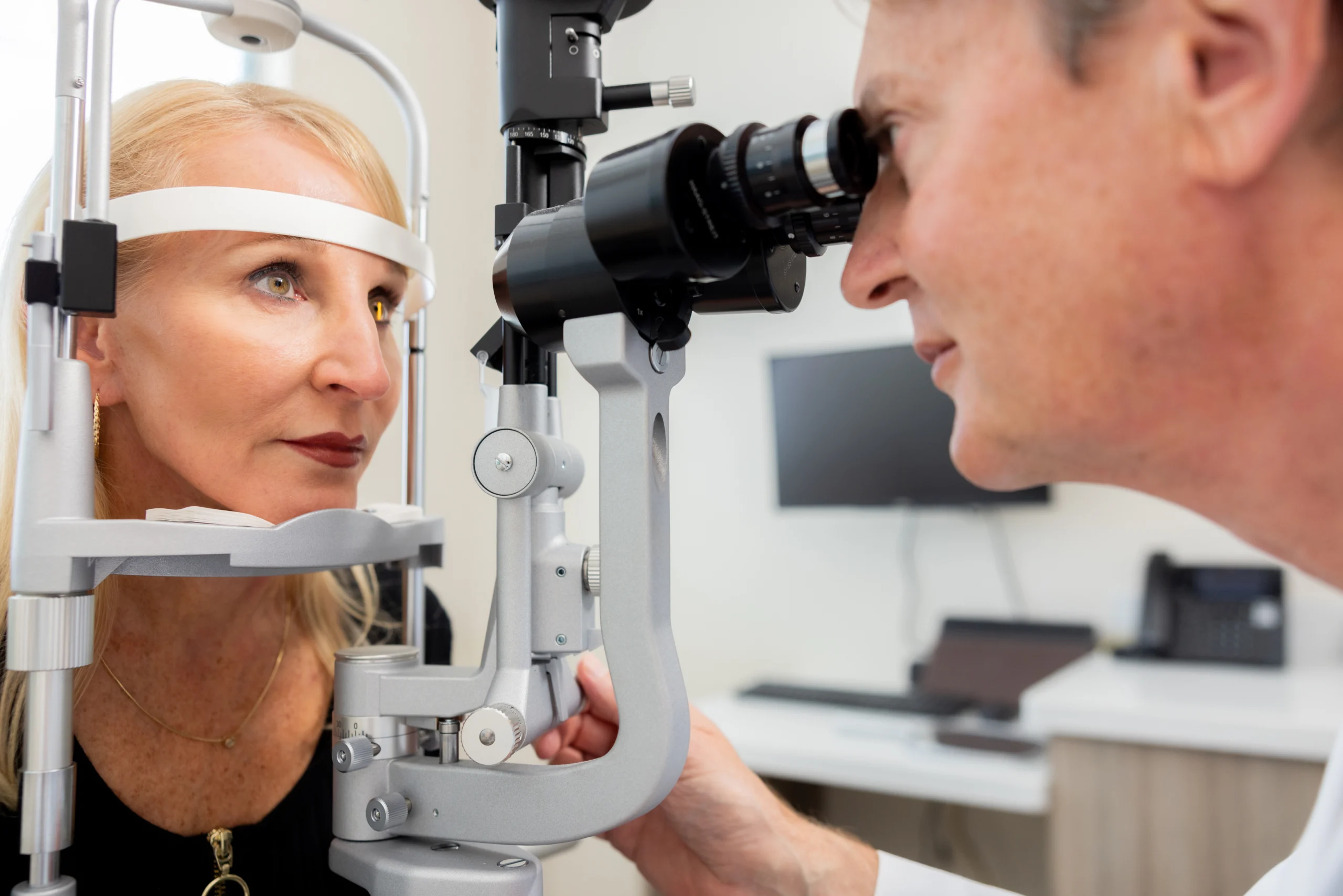


Dry Eye impacts pre-operative measurements and surgical outcomes
Peri-operative dry eye is multifactorial, driven by chemical, mechanical, and neural factors.